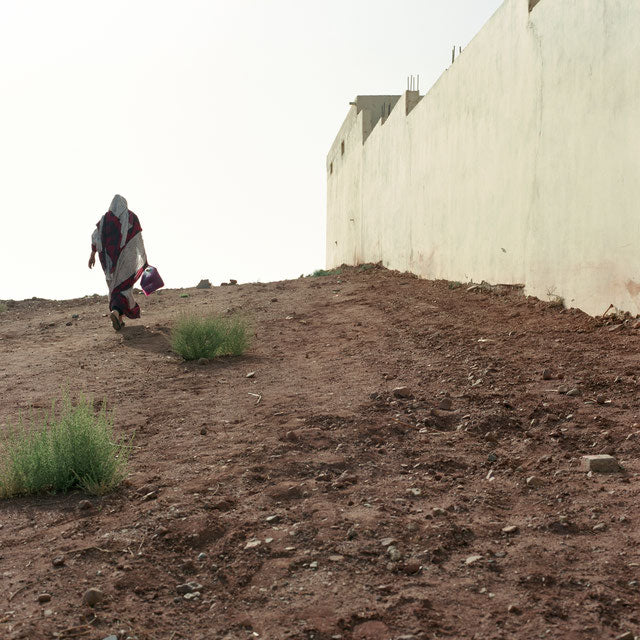
dabab (ダバブ) means "fog" in Berber.
dabab Moroccans CACTUS OIL.
A precious oil extracted from cactus seeds, high-quality cacti that grow in the rich soil of Morocco require mineral-rich fog that forms in the Atlantic Ocean every morning and evening. In Morocco, the Berber people have protected this beautiful land where cacti grow strong.
We aim to create products that coexist with nature in a virtuous cycle.
Experience the power of plants.

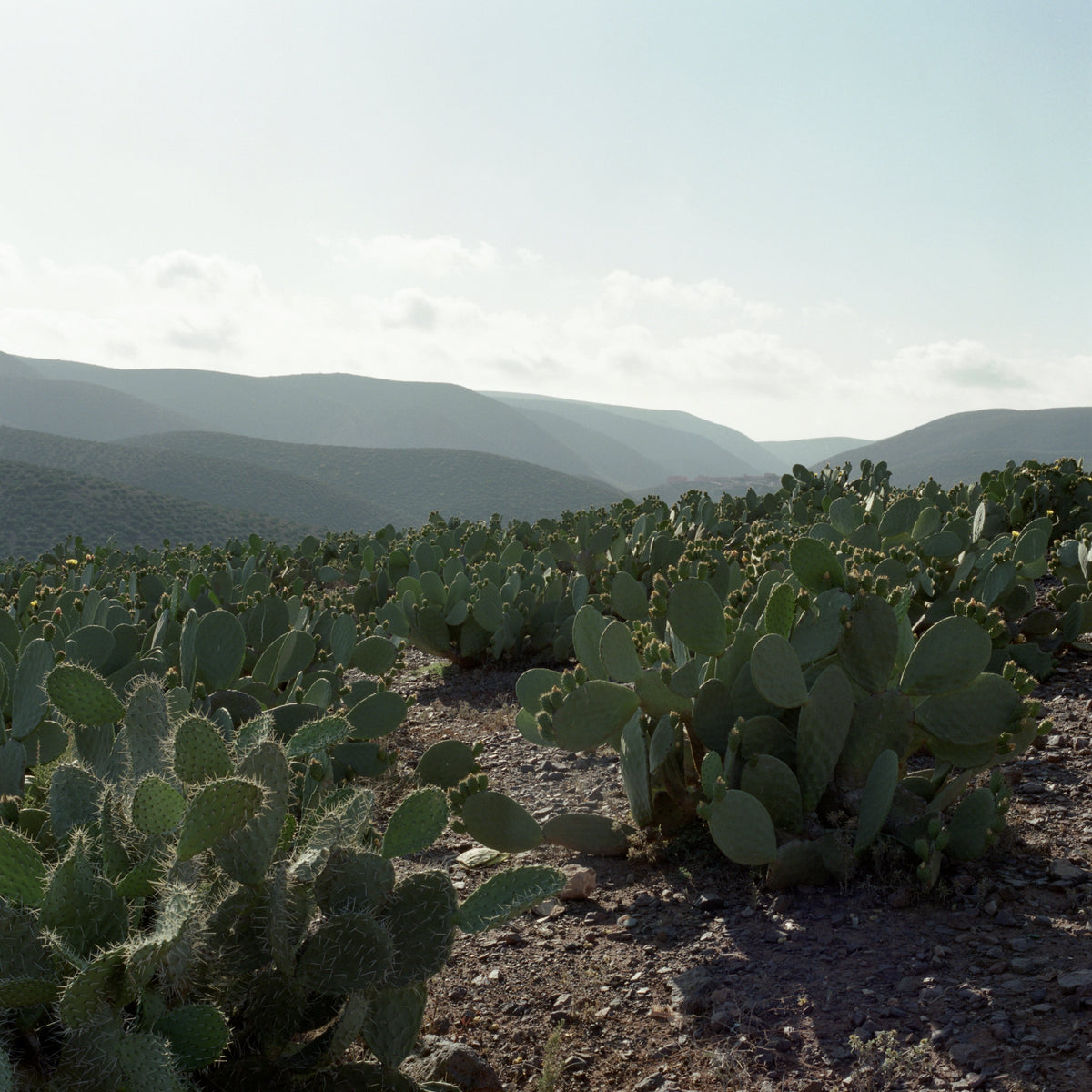
ABOUT dabab products
We start by selecting high-quality raw materials, and the cultivation and refining processes are carried out in Morocco. Finally, the product is managed and manufactured in Japan.
Furthermore, we are committed to creating products that are considerate of people and the environment, working with excellent domestic developers of additive-free cosmetics.

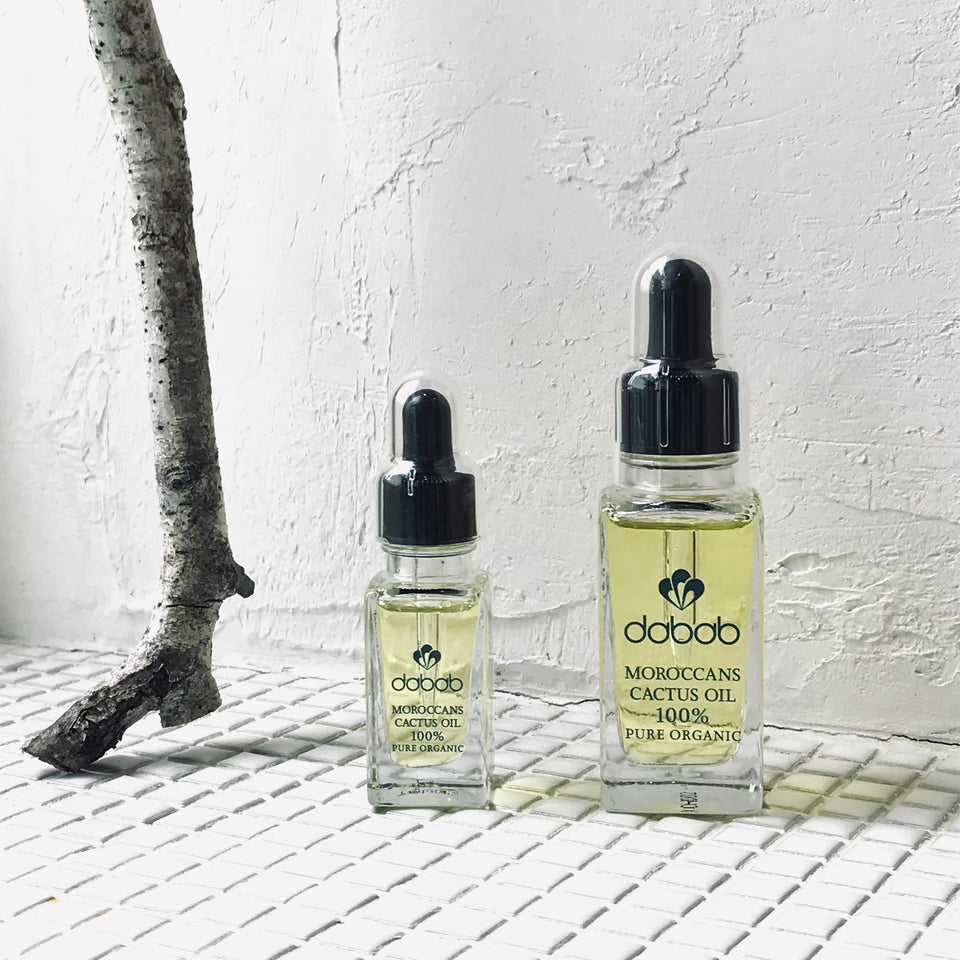
Achieve firm, lifted skin
Dabab oil is rich in natural vitamin E, which helps prevent skin oxidation and is effective for anti-aging care. Extracted from cactus seeds, which extend their roots deep into the earth and constantly store sufficient moisture, this oil refines skin texture, delivers moisture into the gaps in the stratum corneum, and provides excellent moisturizing power. By moisturizing at the stratum corneum level, it gives the sensation of skin lifting from within, leading to firm and supple skin.

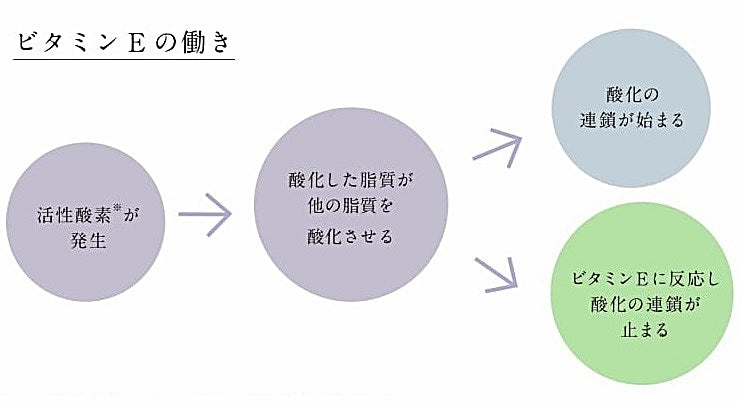
*What is skin oxidation?
When exposed to external stimuli such as UV radiation, the skin's defense mechanism (antioxidant action) is activated. However, if this becomes excessive, it can damage the skin's own cells, leading to a loss of skin elasticity and an increase in blemishes.
Why Moroccan Cactus Oil Was Born
Moroccan cactus farmers taught me how cactus oil came to be. Once a year, in early summer, the cacti bear fruit, providing a valuable source of income for rural communities. The cactus fruits harvested in this region are more nutritious and plumper than those from other areas, and are exported to the Middle East and other regions as a luxury fruit. However, small fruits that are not uniform in size or those that are slightly damaged cannot be sold. The farmers pondered how to make use of the rejected fruits without discarding them. "Cactus fruits are sweet and sour and delicious. Let's make juice and jam to sell!" "Let's eat the young cactus pads as pickles!" And then, "What should we do with the seeds from the remaining cactus fruits?" "How nutritious are they?" After that, a laboratory analysis revealed that they are rich in vitamin E, excellent for moisturizing, and contain many ingredients beneficial for human skin.

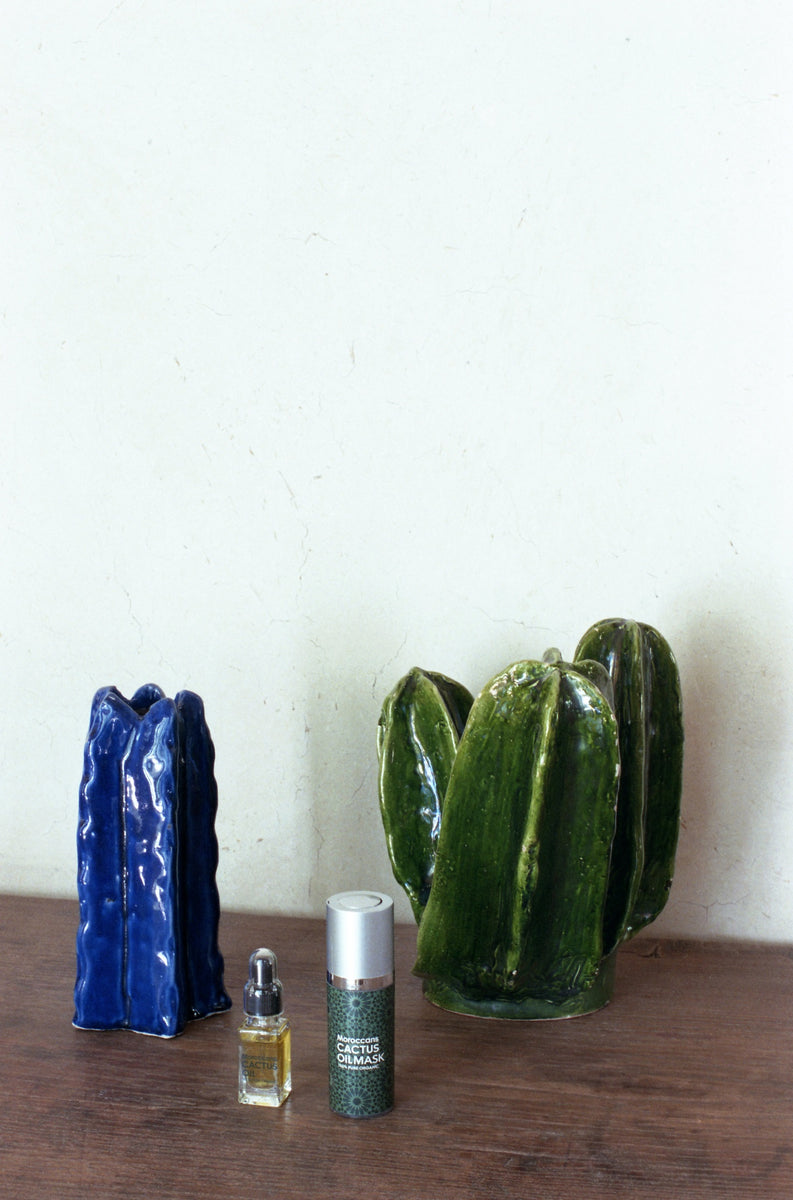
How to make Moroccan cactus oil
From cacti that bear fruit the size of an egg in summer, the fruit is carefully picked, the small seeds are washed, sun-dried, and then cooled.
Using the cold-press method, the nutrient-rich first-pressed oil is extracted slowly to prevent oxidation (no chemical additives, unroasted, non-deodorized). We use cacti from soil found only in Morocco that faces the sea.

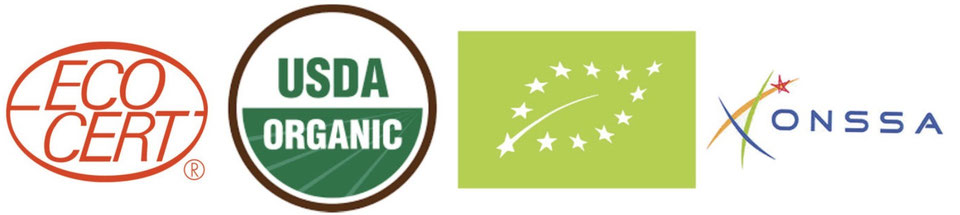
World-standard certified oil
We use 100% organic oils certified by various standards, including Ecocert, which certifies in over 50 countries and boasts a 75% global market share in organic cosmetic certification. From the soil where the raw materials are grown to the product manufacturing process, our products are made using organic farming and natural methods that minimize the burden on the environment and living organisms.
This is also a form of cycle.
Providing a Workplace
Traditionally, women in Morocco did not have the custom of working outside the home.
Although it is still a male-dominated society, our production factories are equipped with an environment that enables women to engage in work vibrantly.